Proof of Vision

Turning invention into belief

Visual commercialization architecture for licensable IP, multi-party bundles, and venture-ready system concepts.

We live in a world of invisible breakthroughs. Patents, papers, prototypes, and know-how sit in databases while markets move on without them. Arns Innovations exists to close that gap: transforming dormant or fragmented intellectual property into visible, believable system concepts that people can understand, evaluate, fund, license, and build.

Proof of Vision is not concept art and it is not speculative storytelling. It is a commercialization instrument designed to translate one IP asset—or multiple licensable IP assets at once—into an integrated system concept tailored to a specific market, operator, customer, infrastructure context, and deployment pathway.

Each proof-of-vision artifact is engineered to help TTOs, corporate business units, sponsors, investors, and builders see not just the invention itself, but what it becomes when assembled into a real-world product, facility retrofit, platform, or system-level venture. The purpose is to shorten the path from IP discovery to licensing, sponsorship, pilot formation, and commercialization commitment.

Works acrossSingle IP or bundled IP
Designed forLicensing velocity and sponsor belief
OutputBelievable, venture-grade system concepts

In practice, this means identifying complementary technologies, aligning know-how across institutions, designing subsystem relationships, and shaping the architecture around technical feasibility, customer need, commercialization logic, and strategic fit. We then use Cinematic IP Architecture™ to render that system into a believable future state—one that helps multiple stakeholders see the same opportunity at the same time.

Behind every image lives a serious invention architecture: IP bundles, licensable components, interface logic, system flows, deployment assumptions, governance layers, revenue pathways, data rails, and routes to pilot or scale. On the surface lives the emotional bridge—the visual clarity required for decision-makers to believe in the system before it exists.

For TTOs, this means moving beyond static disclosures and one-off patent listings toward venture-grade system concepts that make institutional IP easier to understand, package, position, and license.

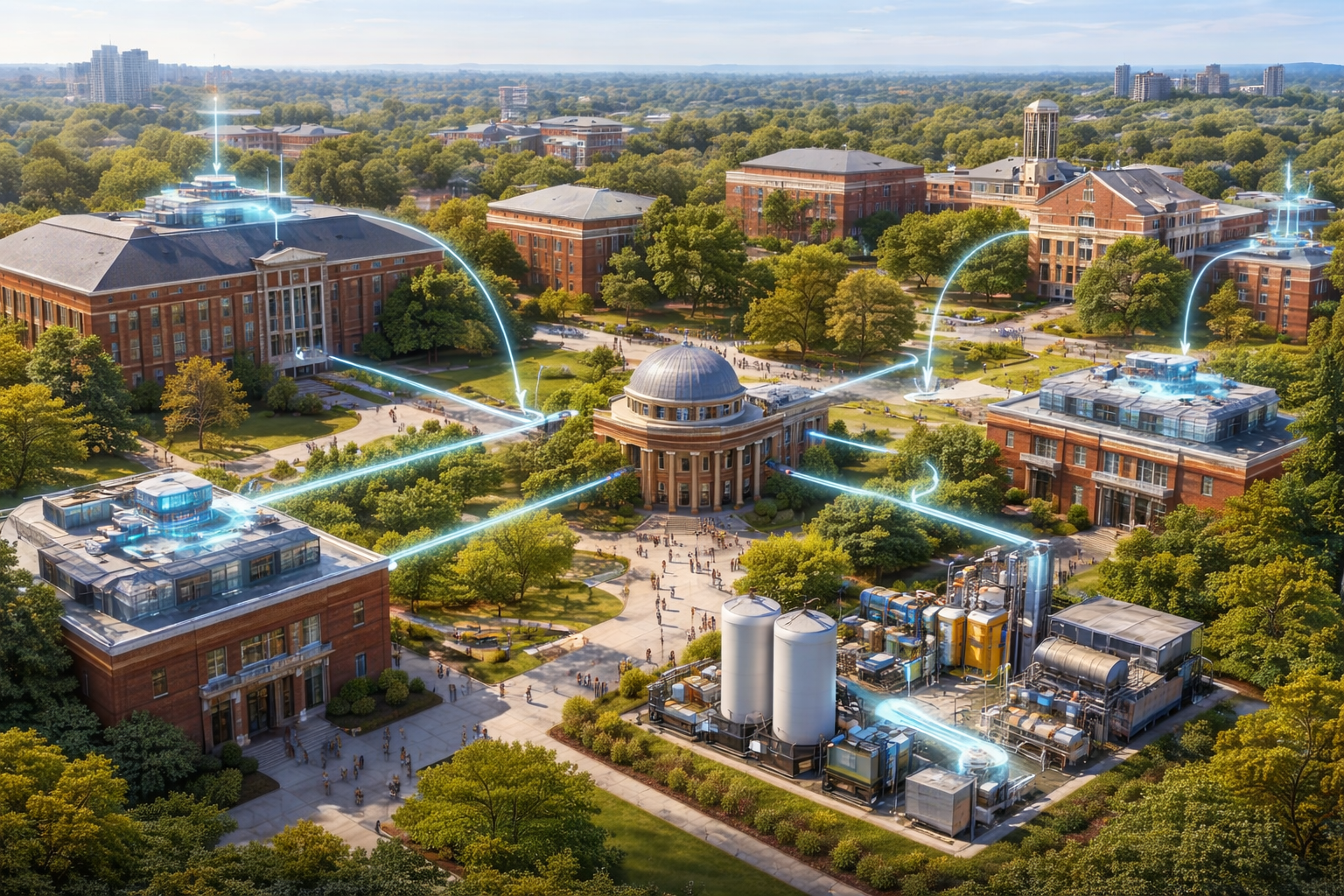
Campus living lab commercialization concept
Proof of Vision Artifact

What if every campus became a living lab for its own IP?

A university is already a full operating environment: buildings, HVAC, utilities, waste streams, mobility, procurement, students, data, and daily foot traffic. Arns translates licensable campus IP into a deployable system concept that turns the institution into both testbed and first customer.

Campus deploymentBundled IPLaunchroom-ready
HVAC / Facilities IP

Existing campus infrastructure becomes the deployment surface

The frame shows how building systems, utilities, retrofit logic, and facility-level inventions can be assembled into one coherent operating architecture rather than treated as isolated patents.

Data + MRV Layer

Visibility creates credibility

Metering, telemetry, and MRV layers make the concept legible to facilities teams, researchers, sponsors, and funders by showing how performance, impact, and system outputs would be tracked.

Licensable Bundle

Multiple technologies can be positioned as one system

Instead of presenting patents one by one, Arns visualizes how multiple IP blocks, know-how, and subsystem inventions can be licensed into a single use-case architecture with clear roles.

Deployment Operator

The customer can finally see their role in the system

A strong proof-of-vision artifact helps the operator understand where they fit, why they matter, and how the architecture aligns with procurement, ESG, research, and commercialization goals.
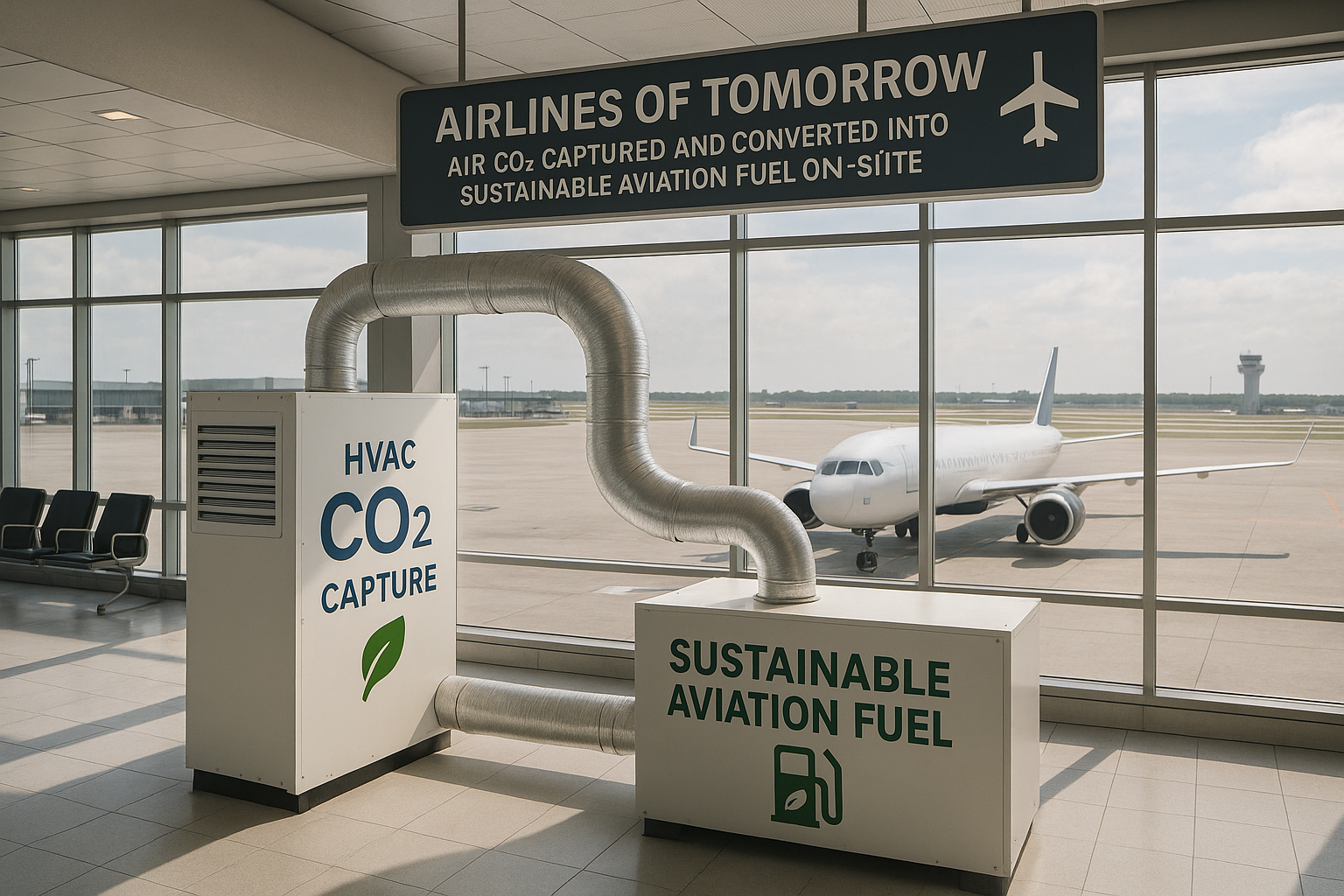
Airport terminal system making sustainable aviation fuel from captured carbon
System-Level Commercialization View

What if airports produced their own SAF on-site?

This is not a single patent pitch. It is a system concept showing how HVAC capture, CO₂ processing, green power, fuel synthesis, terminal infrastructure, and operator economics can be bundled into one believable airport deployment pathway.

Infrastructure retrofitMulti-IP orchestrationCorporate + airport use case
Capture Module

Licensable carbon capture IP becomes site-specific infrastructure

The artifact shows how capture technology fits into existing airport or terminal systems, making retrofit feasibility and integration logic easier to understand.

Conversion Stack

Complementary technologies are framed as one deployable chain

Electrolysis, synthesis, purification, storage, and control layers are shown as interoperable modules—helping sponsors understand why the opportunity depends on a bundle, not a silo.

Airport Operator Fit

The concept is tailored to a real customer and operating environment

The system is visualized around the airport’s actual incentives, constraints, emissions profile, energy logic, and procurement pathways rather than as generic future imagery.

Revenue / Offtake

Believability improves when the business model is visible

Buyers, offtake structures, carbon value, fuel value, and deployment pathways should be implied in the frame so the concept feels commercially grounded, not technically isolated.

Circular carbon home concept
Bundle-Aware Product Architecture

What if every home became a circular carbon node?

A proof-of-vision artifact can translate multiple underlying inventions into one consumer-facing system: capture materials, airflow logic, controls, reactors, utilization pathways, and product design all working together as a coherent residential platform.

Consumer product layerMulti-module systemBrand + product vision
Capture Materials

One frame can represent multiple underlying science assets

Sorbents, membranes, catalysts, filters, and reactor materials can all be shown as part of the final system instead of being trapped in separate disclosures.

Mechanical + Airflow

System feasibility matters as much as invention novelty

The artifact should communicate how components interact physically—ducting, thermal behavior, installation, maintenance, controls, and user interaction—not just what the invention claims.

Utilization Layer

End use is where excitement and commercialization converge

The strongest proof-of-vision systems connect invisible science to visible value: cleaner air, stored carbon, fuels, building materials, resilience, or cost savings.

Swappable IP Interface

The architecture can stay stable even if the underlying IP changes

Arns can design systems with interchangeable technology blocks, allowing different patent families or licensors to plug into the same end-use concept depending on fit and licensing structure.

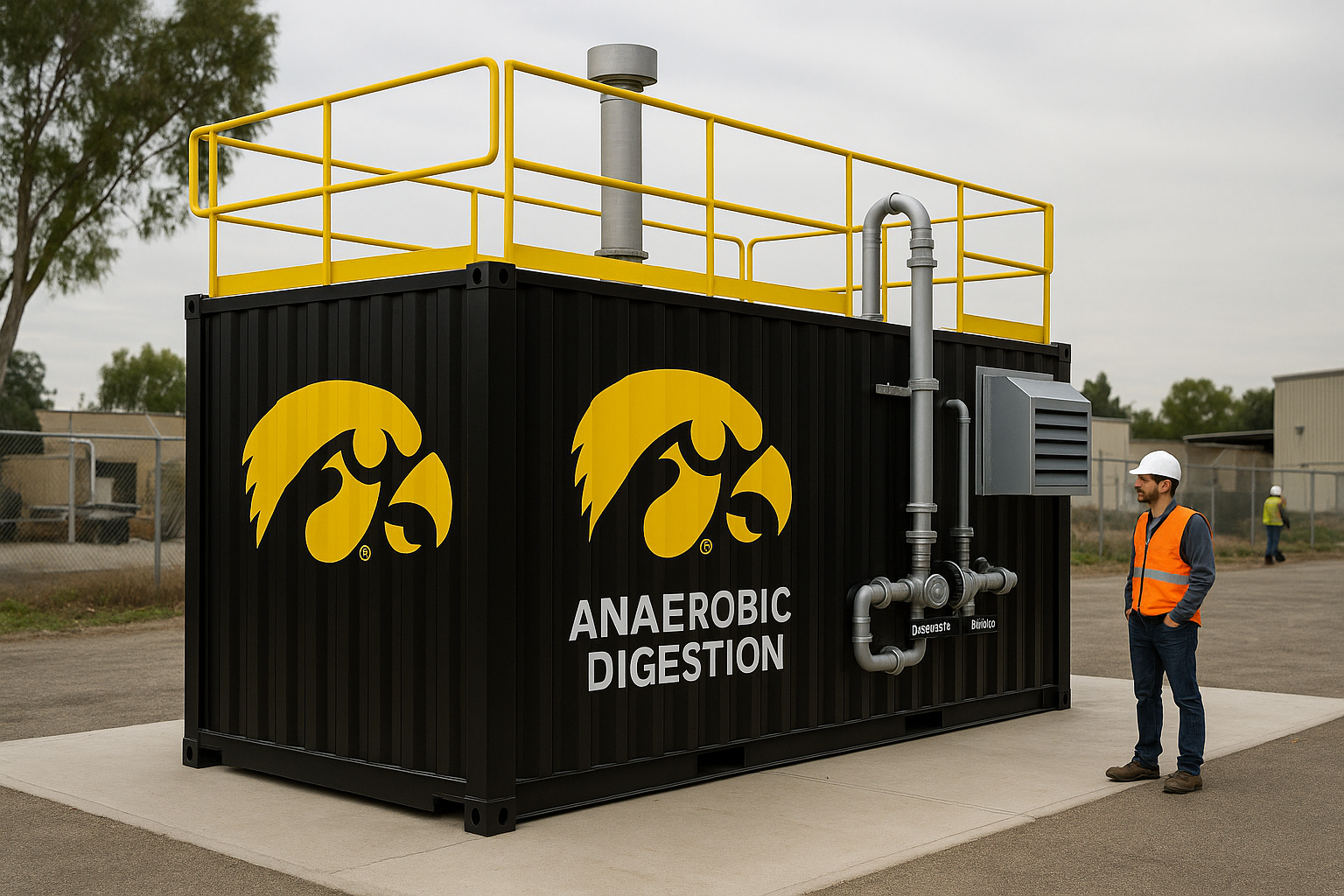
Campus organics turned into coalition-scale carbon removal
Coalition-Scale Vision

What if campus waste became a shared carbon removal platform?

Proof of Vision can work above the single-site level—showing how multiple universities, organics flows, digesters, MRV layers, and carbon pathways can be orchestrated into one coalition-scale system.

Coalition architectureCarbon MRVCross-campus platform logic
Feedstock Coordination

Waste streams become organized inputs, not isolated disposal problems

The visual frame can show how multiple campuses contribute organics into a shared operating model, making coordination, logistics, and system scale easier to understand.

AD + Carbon Pathway

One concept can unify digestion, utilization, capture, and durable storage

Instead of viewing anaerobic digestion, combustion, biochar, and carbon removal as separate ideas, the frame positions them as one end-to-end commercialization architecture.

MRV + Credit Layer

Carbon value becomes legible when the accounting layer is visible

MRV, verification, and credit pathways are part of what makes the system credible to buyers, funders, facilities teams, and coalition partners.

Coalition Operator

The system needs an orchestrator, not just technologies

Arns can visualize how universities, operators, funders, and deployment partners fit together inside the same coalition-scale commercialization structure.