Static portfolio friction
~95%
Many listings still read like isolated legal abstracts with no route, no bundle logic, no deployment picture, and no clear answer to who the asset is for or why it belongs inside a larger operating system.
A blue-screened, proof-of-vision experience showing how Arns turns static disclosures into visible systems, licensable bundles, and venture-grade commercialization pathways.
This page is designed for technology transfer offices, research commercialization leaders, lab operators, and institutional innovation teams who need a stronger way to help buyers, sponsors, founders, and internal stakeholders understand what a portfolio can become when its assets are translated, bundled, and staged as a coherent future system.
Much of the strongest language already sitting inside your existing pages points to the same structural issue: most IP fails not because it lacks merit, but because nobody can see how it becomes a believable product, retrofit, platform, coalition, or venture. This dedicated page turns that argument into a sharper TTO-facing category.
Many listings still read like isolated legal abstracts with no route, no bundle logic, no deployment picture, and no clear answer to who the asset is for or why it belongs inside a larger operating system.
Without visual translation, buyers and sponsors struggle to imagine how a disclosure becomes a real site retrofit, product family, infrastructure layer, or cross-institution system concept worth backing.
When IP is staged as an interoperable architecture rather than a lone patent, the office can present stronger bundle pathways, more compelling commercialization stories, and a clearer reason for external partners to engage.
This is the heart of the TTO-facing value proposition. Arns does not simply decorate a patent. It reorganizes a portfolio around interoperability, market context, subsystem role, and a visible end-state that lets multiple decision-makers see the same opportunity at once.
Reframe the invention in plain, high-consequence language that clarifies what it is, where it fits, what it enables, and why it matters beyond the disclosure abstract.
Map complementary patents, know-how, expired IP, corporate needs, campus assets, and operational surfaces that can transform a single invention into a system-level use case.
Design the subsystem relationships, operator role, economic logic, MRV layers, and swap-ready interfaces that make the opportunity feel structured, not speculative.
Use cinematic IP architecture, hotspots, and portfolio-facing visual narratives to make the system instantly legible to licensors, sponsors, founders, procurement teams, and institutional stakeholders.
They should immediately understand that Arns is not proposing another static microsite. It is showing how a research commercialization office can move from patent inventory toward a more interoperable system standard where translation, bundling, buyer fit, and visual proof all reinforce one another.
The strongest element already present in your cinematic file is the case-based hotspot structure. I kept that logic, pushed it further into the image itself, and organized each case so a TTO can see the commercialization story, the bundle logic, and the operator fit without leaving the page.
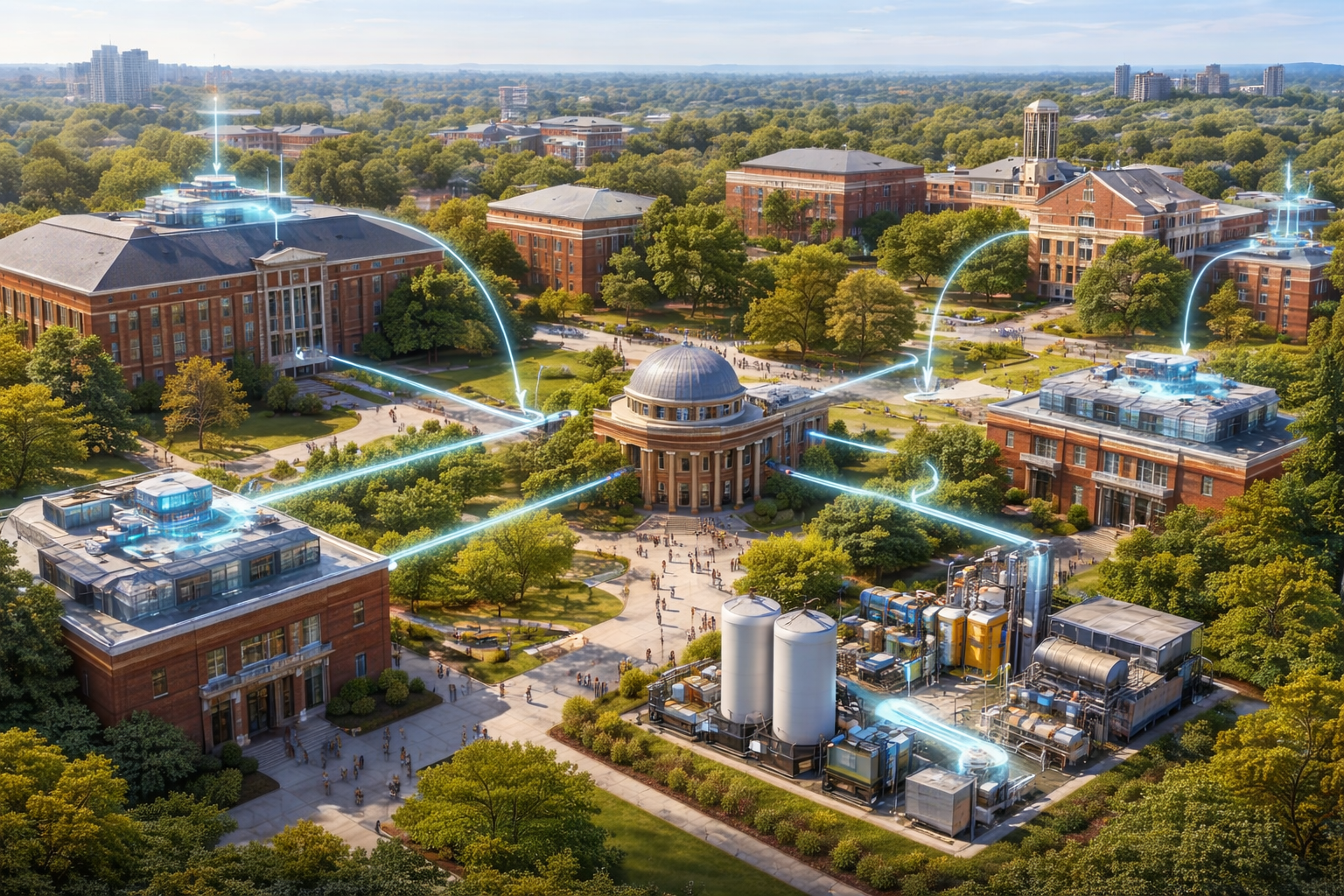
This case is especially important for TTO audiences because it shows the office a near-term route to turn campus-controlled environments into visible, sponsor-friendly proof points.
Instead of presenting HVAC, utility, controls, sensor, or retrofit-related inventions one at a time, the page shows how facility-facing assets can form one coherent operational architecture.
By adding telemetry, measurement, and reporting logic to the system picture, the architecture becomes easier to evaluate, govern, and finance.
For TTOs, the power here is in showing a route beyond one-patent marketing. The viewer can see how multiple technologies or know-how layers belong together in a single use-case architecture.
When the operator role is visible, the opportunity becomes easier to buy into. The office is not only marketing IP, it is clarifying who would own, run, fund, or benefit from the deployment.

TTOs often hold important science but struggle to show how multiple inventions combine into a full deployment pathway. This proof makes the orchestration role tangible.
The visualization helps a viewer understand where the technology physically fits, what it would touch, and why the deployment is more than a lab concept.
Electrolysis, synthesis, purification, storage, and control layers stop feeling like separate R&D islands and begin to read as modules inside one larger productized system.
By grounding the visual in an actual deployment environment and incentive structure, the concept becomes more believable to airport leadership, corporate partners, and strategic sponsors.
Buyers, fuel value, credit pathways, or internal offtake relationships should be implied or stated so the frame reads as a commercialization instrument rather than a science-fiction rendering.

This is useful for TTOs because it demonstrates a system shell that can accommodate different licensors, families, or subsystem swaps while preserving the commercialization narrative.
Sorbents, catalysts, membranes, filters, and materials platforms are easier to appreciate when they are shown as visible contributors to a single consumer-facing experience.
The visualization helps the viewer understand installation, user interaction, ducting, controls, maintenance, and other practical system questions that are often absent from a portfolio listing.
Cleaner air, stored carbon, fuels, beverages, building materials, or resilience outcomes give the office a better way to explain why the system matters to users and markets.
This is one of the most strategically useful ideas for institutional portfolios. The system view can remain stable while the underlying technical block changes depending on license access, fit, readiness, or corporate alignment.
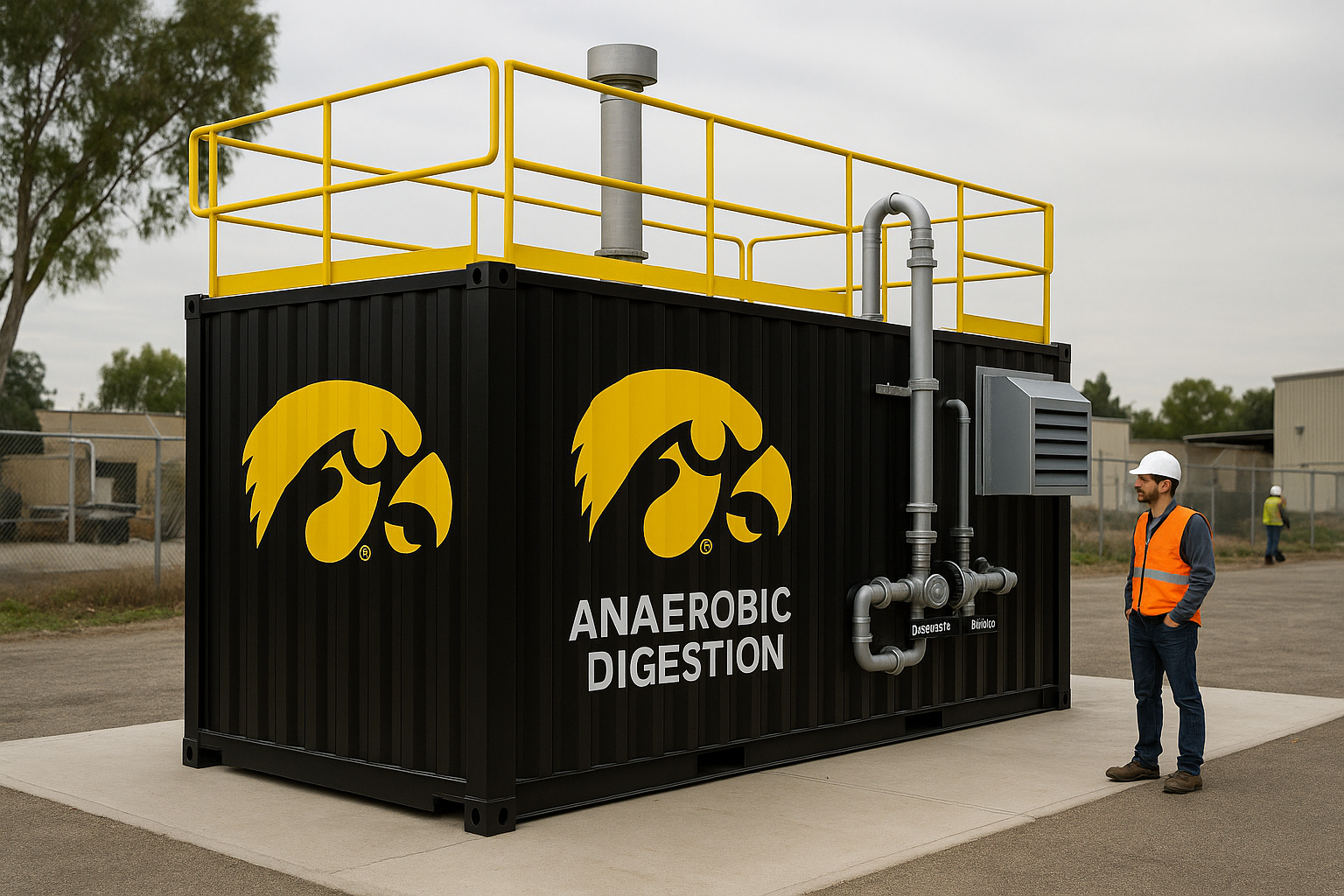
For TTOs, this matters because some opportunities only become compelling when multiple sites, flows, rights, and operators are visible as one coordinated coalition.
The visual frame helps multiple campuses or sites see how they could contribute to a shared operating model rather than pursuing disconnected waste solutions.
Instead of marketing separate sustainability inventions independently, the office can show one coherent end-to-end system with clearer customer and policy relevance.
MRV, verification, and credit logic are not secondary details. They are part of what makes the system credible to operators, funders, climate buyers, and institutional leadership.
This panel surfaces the governance and orchestration role. That is where Arns becomes differentiated: revealing who makes the architecture work across multiple institutions or stakeholders.
The original materials already point toward a larger method language around translation, bundle design, system staging, and buyer-facing proof. This section makes that more explicit for TTO viewers evaluating Arns as a commercialization layer.
Converts technical assets into understandable opportunity language for TTO teams, corporate partners, students, builders, and institutional decision-makers.
Connects complementary patents, labs, know-how, operators, and deployment surfaces that would otherwise remain separated across institutions or domains.
Redesigns how a portfolio is seen, navigated, interpreted, and discussed so that hidden adjacencies and commercialization routes become easier to act on.
Reorganizes assets around system role, end-state value, and market fit rather than leaving them trapped inside isolated disclosure categories.
Builds a clearer path from the visual story to sponsor outreach, pilot formation, licensing structure, and the next practical commercialization conversation.
Uses hotspot-driven, emotionally legible blueprints to help stakeholders believe in the same system before it exists, which sharpens licensing, collaboration, and venture formation.
These visuals come from the broader Arns page language and help show that cinematic architecture is not a one-off style. It is a repeatable way of turning IP into visible system propositions across environments, operators, and commercialization scales.
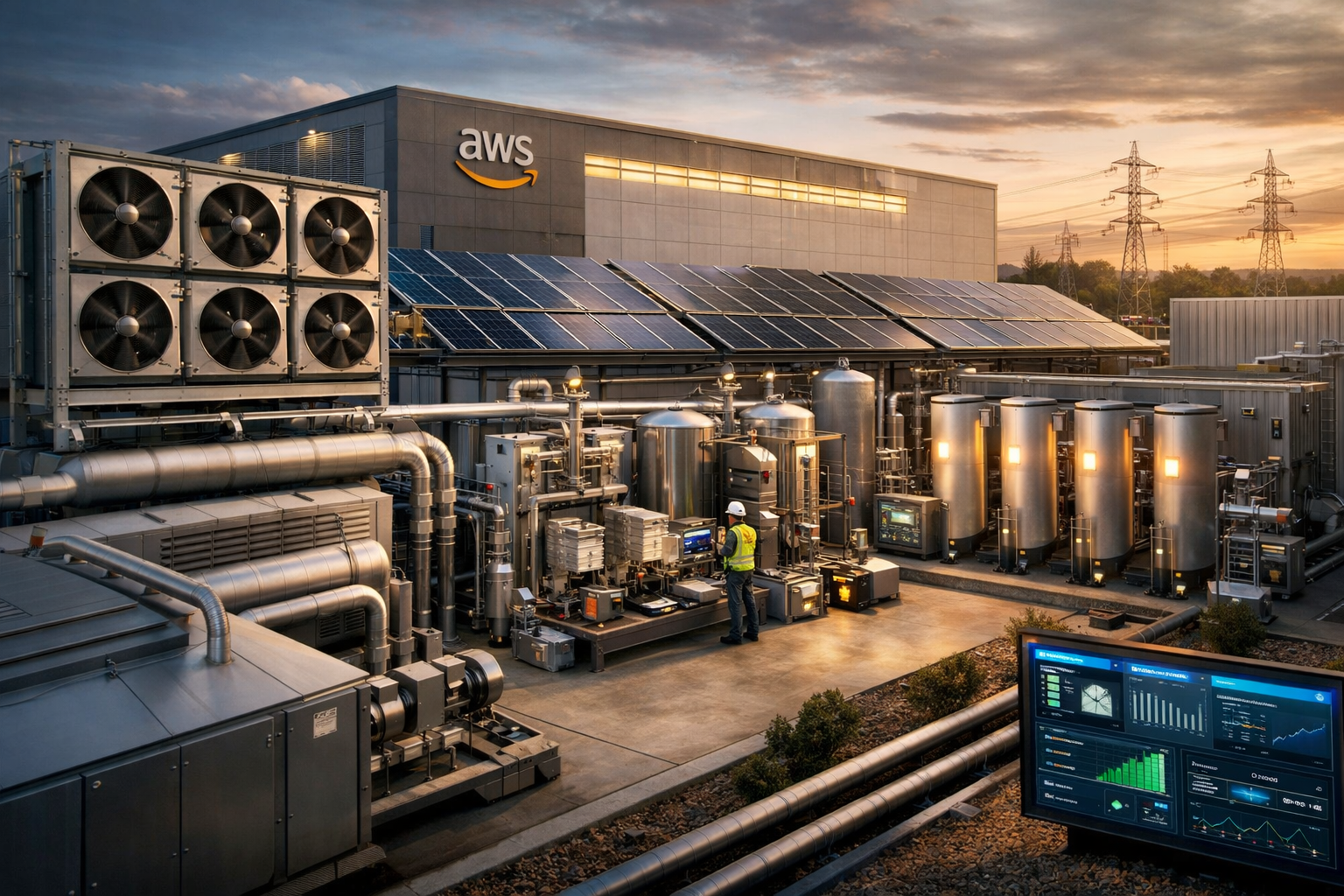
A frame for showing how waste heat, DAC, conversion, and power systems can be staged as one commercialization pathway.
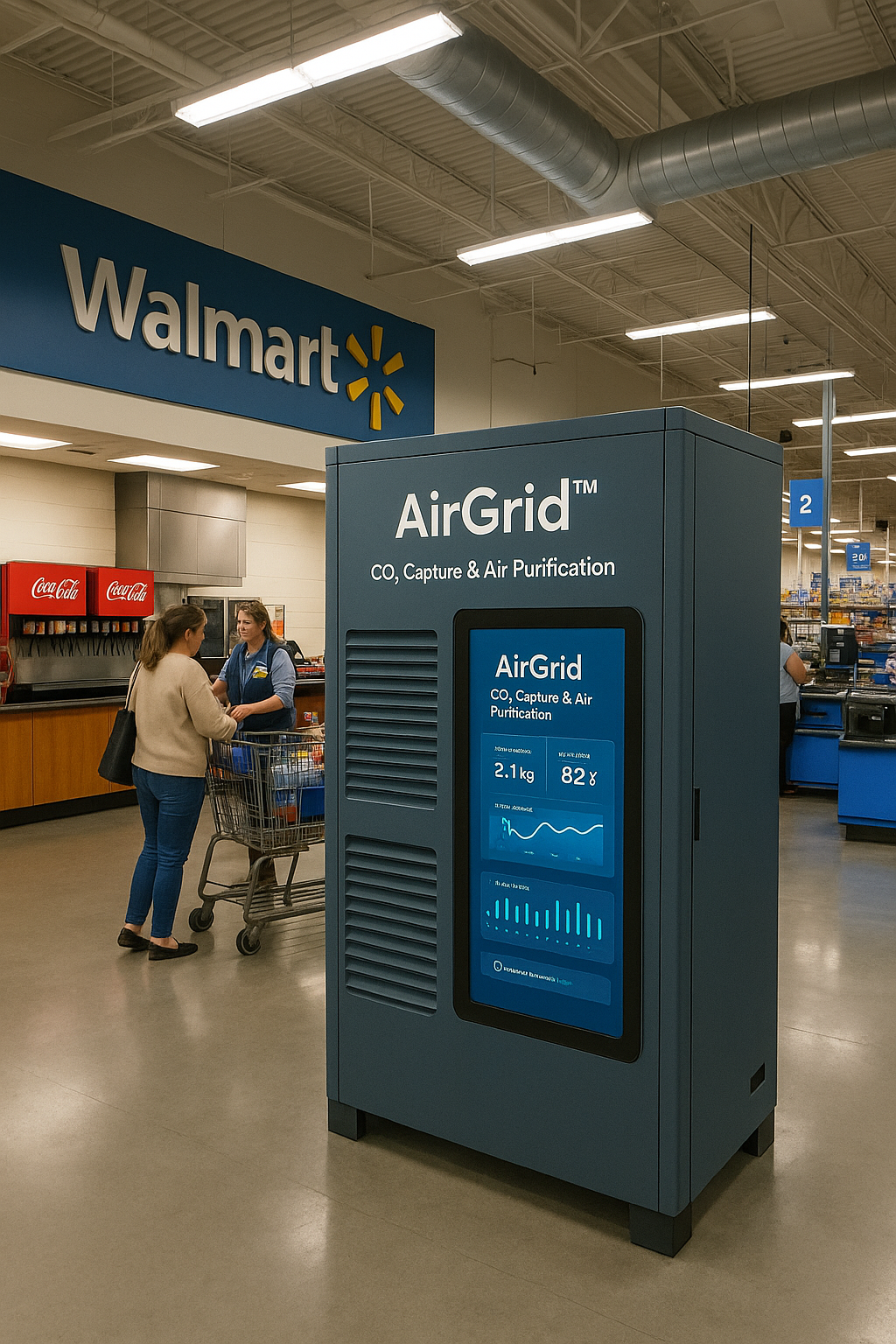
A consumer-facing, building-integrated use case that helps a portfolio become easier to discuss with brand and operations teams.
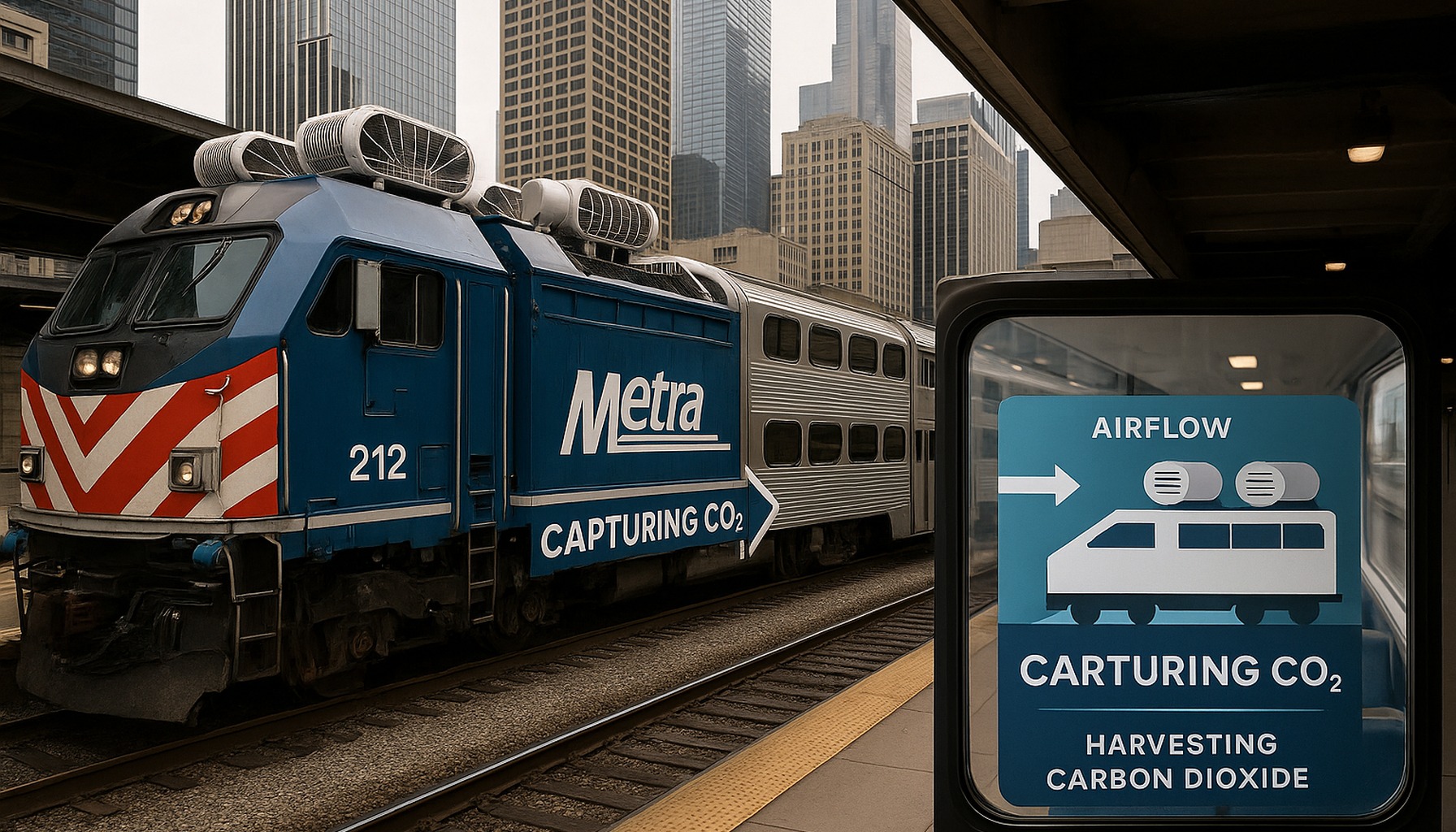
A reminder that cinematic architecture can reveal overlooked deployment surfaces and new ways to stage value around infrastructure.
The page should leave a research commercialization viewer with a very specific understanding: Arns helps an office move beyond static listing behavior toward more visible, interoperable, buyer-ready portfolio pathways.
Assets become easier to position as part of real deployment stories rather than one-off technical opportunities.
Visual system framing gives external partners a faster way to see fit, missing pieces, and reasons to engage.
The office can show how multiple inventions may belong together in one system-level path instead of living in separate silos.
When the deployment environment, operator, and measurement layer are visible, the step from interest to pilot becomes easier to discuss.
It now reads as a dedicated Arns Innovations offering for TTO-facing viewers: a bold blue experience showing how Arns can translate a portfolio, identify bundle logic, stage believable commercialization environments, and give institutional IP a stronger route to licensing, sponsorship, pilots, and system-level adoption.