What a framework does
- Defines a market-pull opportunity space before the market is fully formed.
- Shows how IP, technologies, research, talent, operators, and external complements can become stronger together.
- Creates a compelling picture of how value can be unlocked across a system.
- Makes the path visible for programs, sponsors, pilots, licensing, spinouts, venture building, and deployment.
What a framework can spark
- New categories, supply chains, and commercialization pathways.
- Cross-institution IP combinations, external capability matches, and new invention prompts.
- Corporate-sponsored opportunity development programs.
- New spinouts, pilots, testbeds, strategic partnerships, and deployment coalitions.
Retail Big-Box Infrastructure Opportunity
A market-pull framework for large retail infrastructure as an integrated opportunity system across HVAC, energy, refrigeration, logistics, customer experience, charging, waste, storage, resilience, and operations.
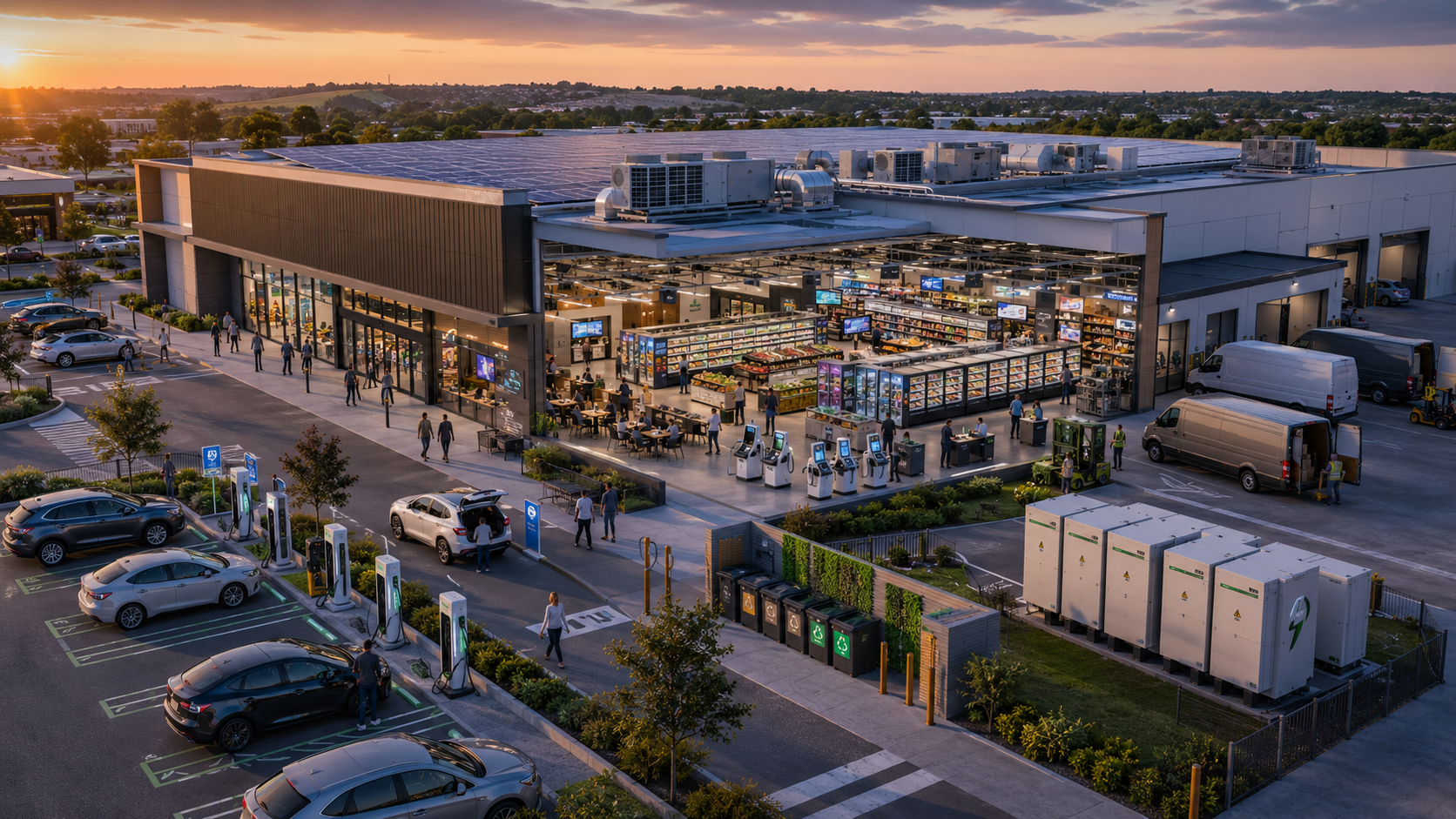
Store infrastructure, rooftop assets, HVAC systems, refrigeration, EV charging, energy storage, waste flows, customer experience, fulfillment, and supplier operations.
New infrastructure pilots, sponsor pathways, energy and refrigeration ventures, customer experience upgrades, operational savings, and commercialization opportunities across the built retail environment.
Building systems, grid software, refrigeration technologies, sensors, packaging, logistics, waste-to-value systems, customer analytics, and new ventures that use the store as a commercial testbed.
Carbon Recycling Airports
An inside-out view of airports as carbon resource systems where waste, biogenic CO₂, energy, logistics, fuel relevance, and infrastructure can be organized into new commercialization pathways.
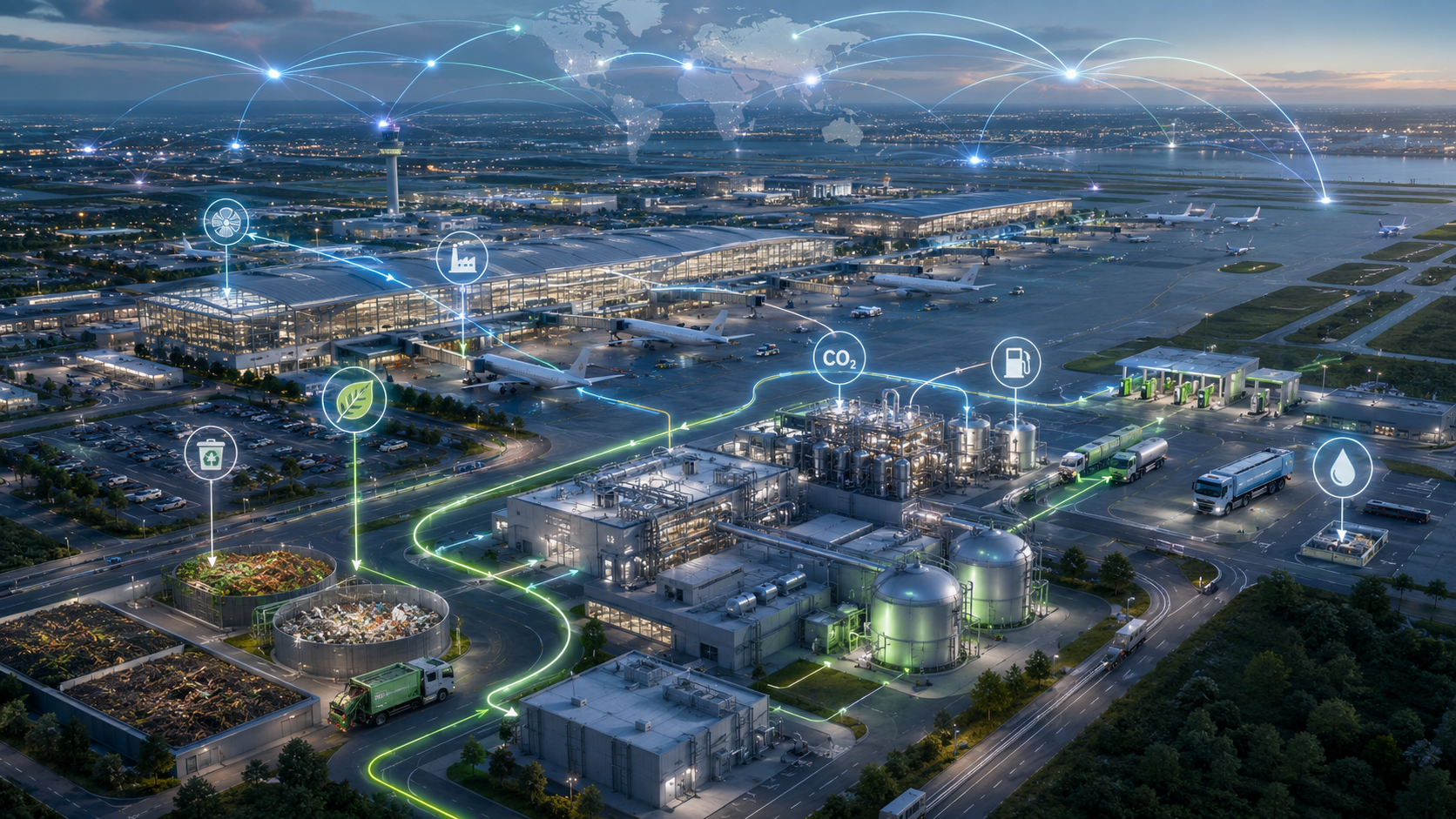
Capture nodes, waste and carbon sources, processing technologies, SAF relevance, airport operations, university testbeds, and sponsor pathways.
Carbon capture pilots, circular CO₂ systems, fuel pathways, airport infrastructure ventures, new operating models, and cross-airport networks.
Capture technologies, processing systems, materials, MRV, logistics software, infrastructure designs, and airport-centered spinouts.
Campus Commercialization Framework
The university campus as a living commercialization framework for the built environment and everything it touches.
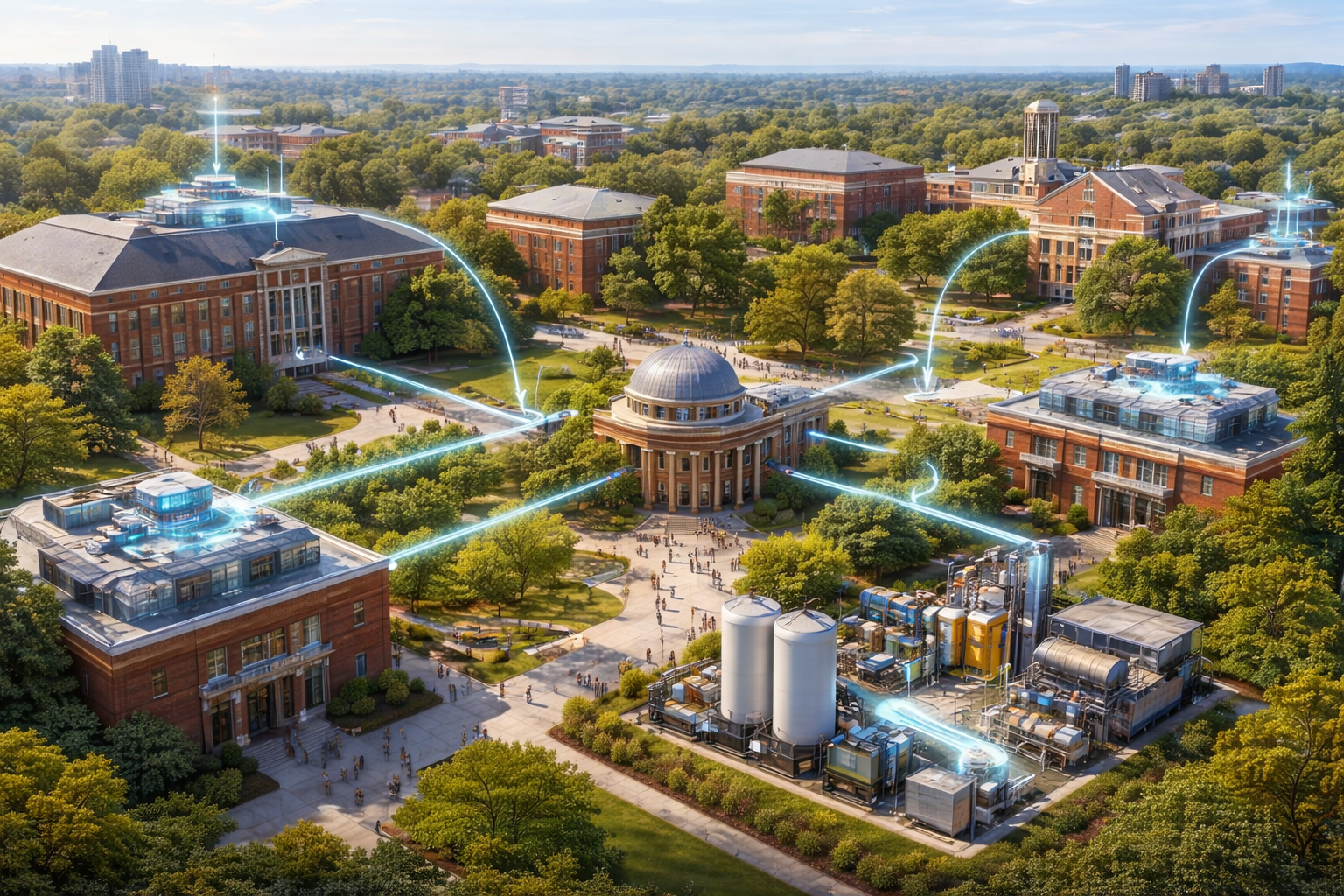
Buildings, utilities, waste, mobility, operations, campus infrastructure, student builders, faculty experts, and partner routes.
Pilots, sponsored opportunity development, commercialization programming, student/faculty ventures, and institutional differentiation.
Built environment technologies, operations software, infrastructure retrofits, campus-originated ventures, and testbed-driven commercialization.
Circular Carbon Island — Hawaii
An island-scale opportunity lens for managing carbon resources, materials, infrastructure, and regional logistics as one interconnected circular system.
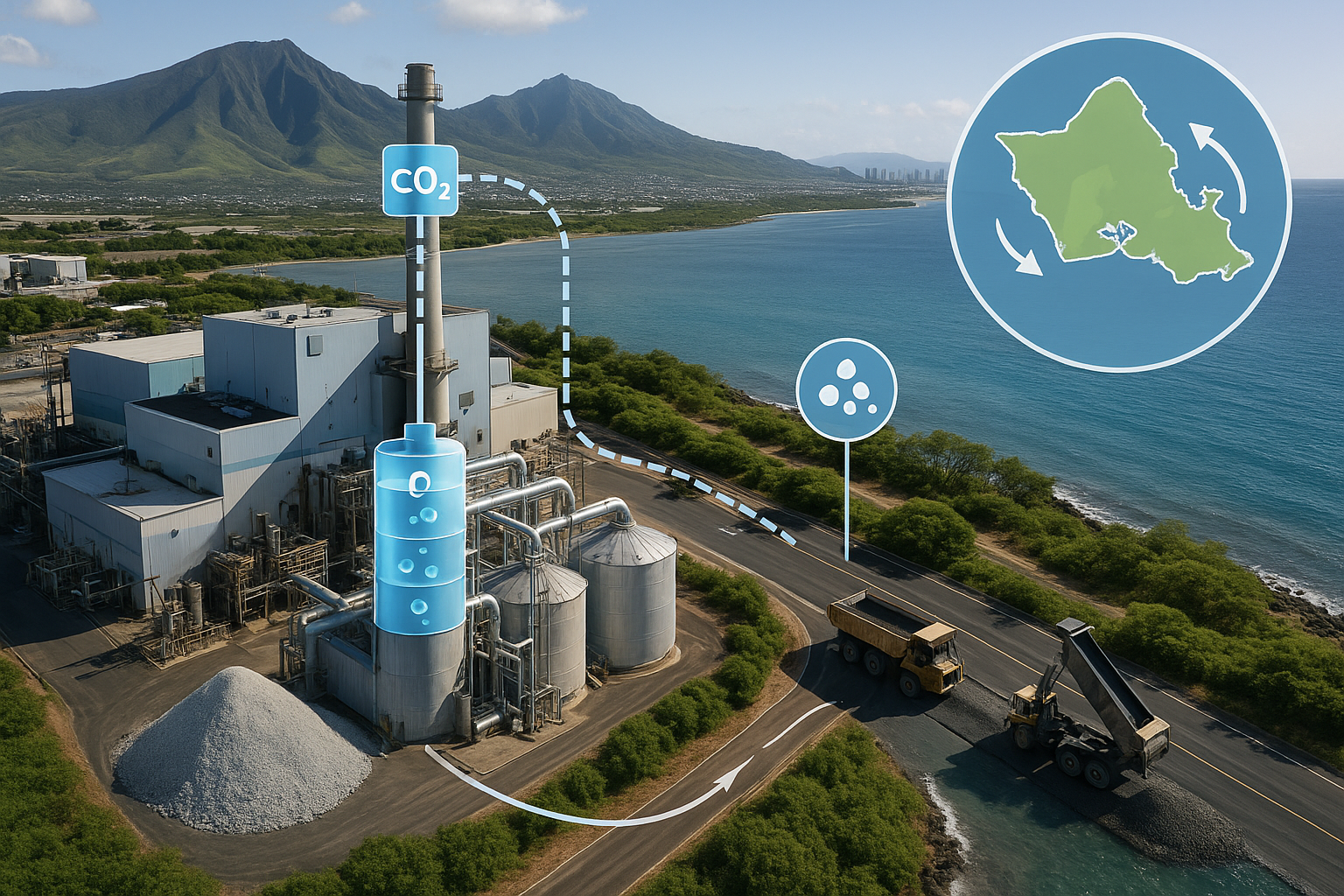
CO₂ sources, local materials, mineral resources, energy systems, infrastructure, coastal logistics, and regional circularity pathways.
Island-scale pilots, climate infrastructure, local manufacturing, circular supply systems, and regional venture opportunities.
Carbon capture, mineralization, materials processing, logistics coordination, island operations platforms, and circular economy ventures.
Ocean Reverse Supply Chains
A market-pull framework for turning ocean-recovered materials into traceable supply chains, new products, and commercialization pathways.
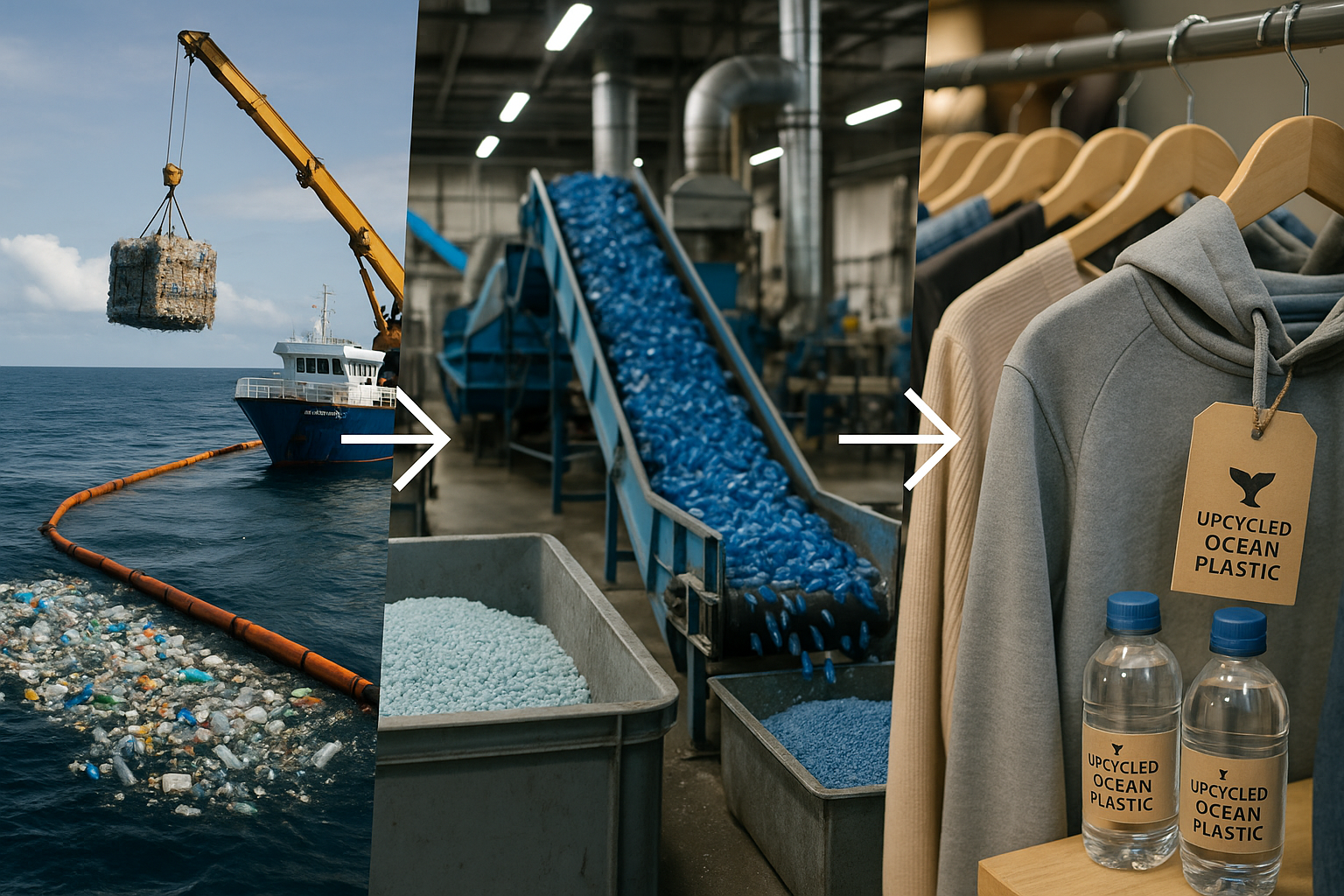
Recovery systems, material classes, processing technologies, manufacturers, product categories, and brand or retail demand.
New materials ventures, traceability systems, supply contracts, local processing pilots, and category-defining products.
Separation systems, conversion processes, upcycled materials, consumer products, and manufacturing or logistics ventures.
MSW2CDR Routes
Roads to Removal defines the national MSW-to-BiCRS pathway across the United States. MSW2CDR Routes creates the local route logic that helps cities, processors, venues, and partners make those removal pathways real.
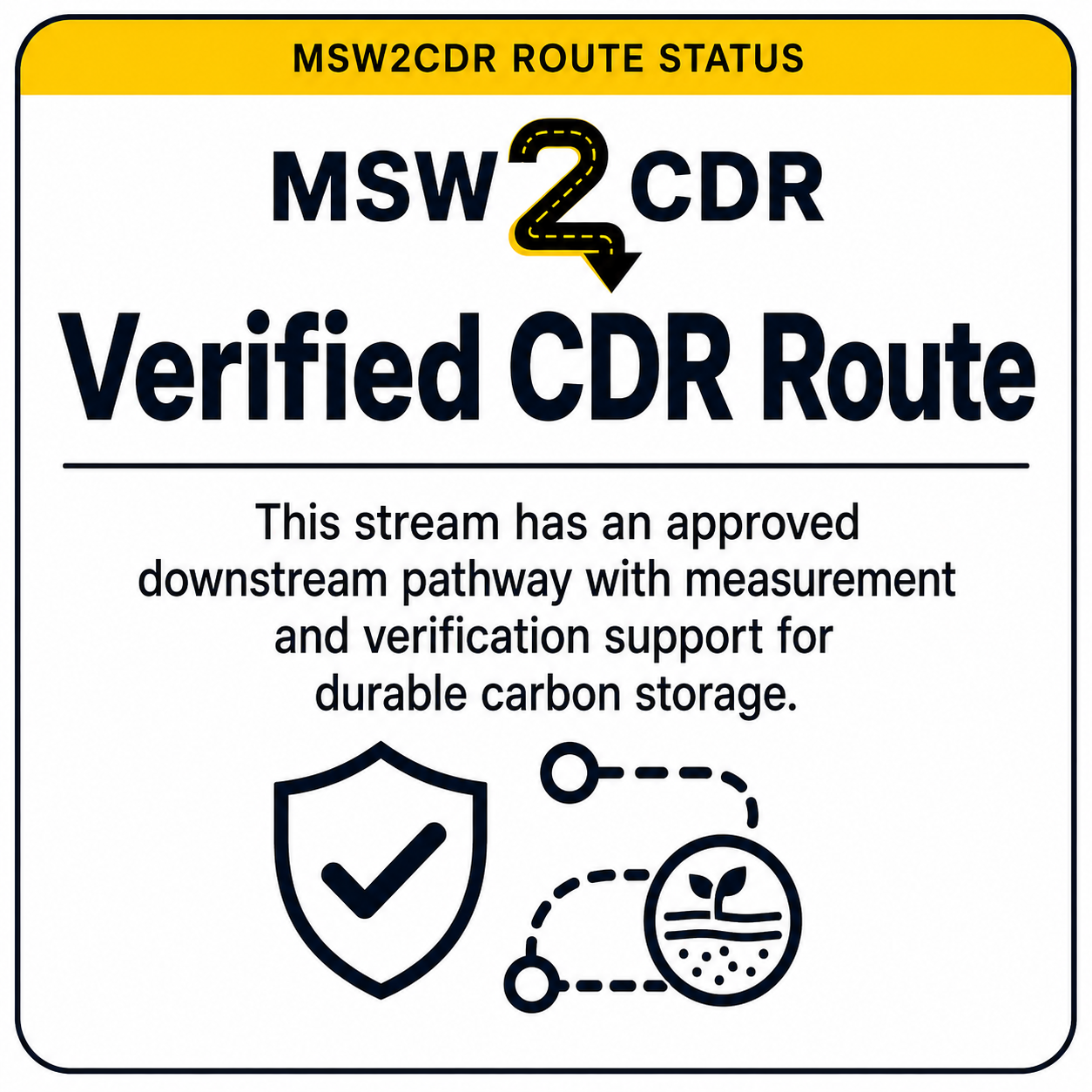
Local route logic, eligible waste-stream architecture, processor pathways, verification handoffs, and the steps required to move municipal solid waste toward durable BiCRS outcomes.
Credible local removal pathways, cleaner feedstock supply, route-ready projects, and a clearer bridge between waste systems and verified carbon removal.
Routing systems, MRV, organics-processing technologies, biochar and BiCRS infrastructure, local implementation tools, and new ventures built around verified waste-to-removal routes.
Grid Gear + Energy-Harvesting Materials
A framework for human capital as distributed energy infrastructure, where movement, apparel, materials, and organizational adoption create new value.
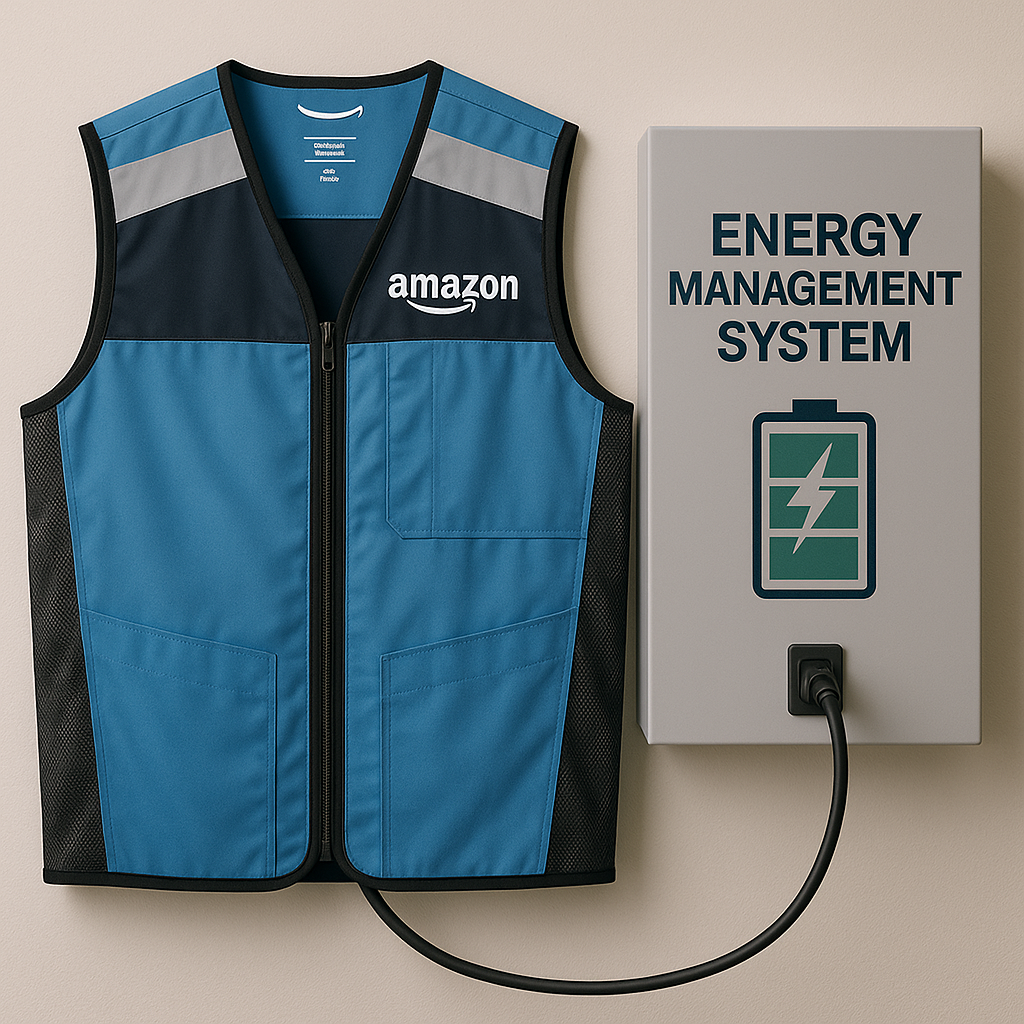
Wearable materials, uniforms, workforce operations, charging systems, energy capture, grid interaction, safety, and enterprise adoption.
New apparel categories, workforce energy programs, grid-connected products, facility integration, and sponsor-backed pilots.
Energy-harvesting materials, storage, power management, IoT systems, garment design, and platform-based venture opportunities.
Data Center Opportunity Architecture
A market-pull framework for cooling, power, carbon, water, heat, backup systems, and infrastructure partnerships across data-center growth.
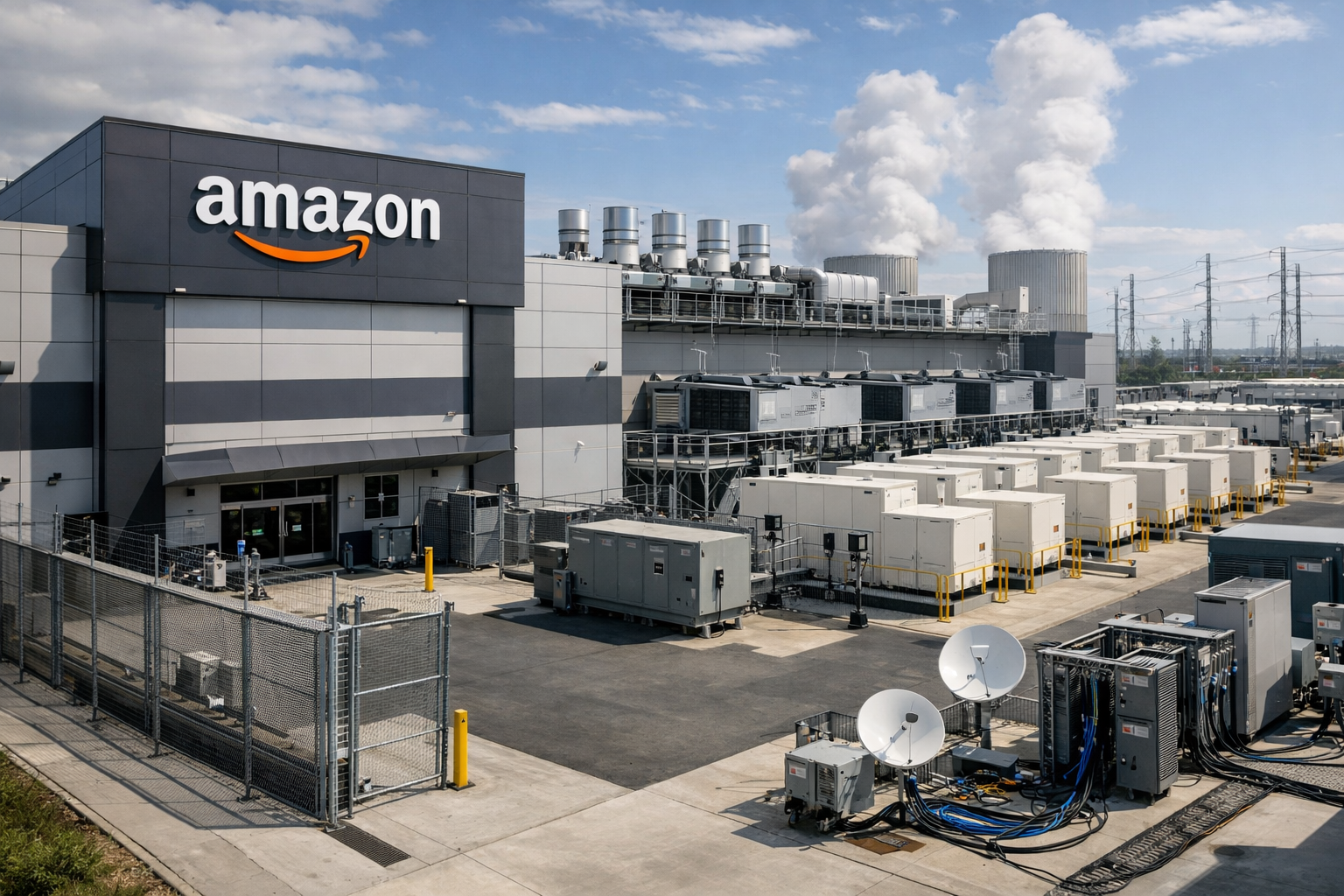
Cooling loads, energy demand, grid constraints, water use, backup systems, heat reuse, carbon management, and infrastructure siting.
Enterprise-grade pilots, new infrastructure ventures, university engineering partnerships, energy-system innovation, and sponsor pathways.
Thermal systems, energy storage, heat reuse, water technologies, carbon capture, grid optimization, and resilient infrastructure software.